







Search Results for: Pour-Over Coffee Extraction

Can iced pour-over coffee be brewed directly with ice water? A detailed explanation of the extraction principles and parameters of Japanese-style iced pour-over and hot pour-over
Many people, when first encountering iced pour-over, have this thought: since hot americano uses hot water and iced americano uses ice water, then if hot pour-over uses hot water, shouldn't iced pour-over just use ice water directly? This idea sounds reasonable, but pour-over extraction is far from that simple. This article will first clarify the underlying logic of extraction, then explain why brewing with ice water is theoretically feasible but almost no one actually does it in practice, followed by an analysis of the relationship between Japanese-style iced pour-over and hot pour-over, complete parameters from Front Street Coffee for both hot and iced brewing, and finally a real result from an ice water brewing experiment, for coffee enthusiasts' reference. [more…]
Analysis of the Core Differences Between Pour-Over and Espresso Coffee, with Full Process for Espresso Extraction and Pour-Over Steps
Both are cups of coffee, yet pour-over and espresso head down two completely different paths. From bean selection and extraction pressure to caffeine content, the two show striking differences at every stage. This article will systematically compare pour-over coffee and espresso across three dimensions, and break down in detail the production process of espresso and the three-stage pouring steps of pour-over coffee. At the same time, the article will also introduce the actual brewing parameters used at Front Street Coffee shops, including key data such as dose, liquid weight, and extraction time, to help coffee lovers recreate a full-flavored espresso or a clean, bright pour-over at home. [more…]

Same Beans, Different Taste? An In-Depth Analysis of the Extraction Differences and Flavor Comparison Between Cold Brew Coffee and Iced Pour-Over
Many coffee enthusiasts have wondered: why do cold brew and iced pour-over made from the same coffee bean taste so different? Front Street Coffee once conducted a comparative experiment with Huakui 8.0, and the results were surprising. This article will systematically analyze the core differences between cold brew coffee and pour-over coffee from the perspectives of extraction water temperature, extraction method, and concentration changes, explaining why low-temperature slow extraction brings a rounder acidity, a fuller body, and a unique fermented aroma, while high-temperature fast extraction retains richer aromatic layers. If you also want to understand the essential difference between these two brewing methods, read on. [more…]
Why Do the Same Beans Taste So Different? A Deep Dive into the Extraction Differences Between Cold Brew and Pour-Over Coffee
Many coffee enthusiasts at Front Street stores order both a cold brew and an iced pour-over made from the same beans, yet are often surprised by the huge gap in flavor between the two after drinking them. Why does the same coffee bean produce such an obvious difference in the resulting cup? This article will systematically sort out the core differences in brewing principles between cold brew and pour-over from multiple dimensions such as extraction water temperature, extraction method, and concentration differences, and combine a comparative experiment conducted by Front Street using Huakui 8.0 to help you understand the taste expressions brought by low-temperature slow extraction and high-temperature fast extraction, as well as the scientific logic behind these differences. [more…]
A Comprehensive Analysis of Caffeine Content in Pour-Over vs. Espresso and Whether Espresso Blend Beans Can Be Used for Pour-Over
There are significant differences between pour-over coffee and espresso in terms of preparation methods, coffee bean selection, and caffeine content. Pour-over mostly uses single-origin beans, primarily light to medium roasts, extracted at normal pressure over a longer time, so the amount of caffeine dissolved out is relatively higher; espresso relies on blended comprehensive beans, deep roasting, and rapid extraction at 9 atmospheres of pressure, with a thick mouthfeel, making it suitable for pairing with milk. This article will compare the three dimensions of bean selection, preparation methods, and caffeine content, and provide a detailed introduction to the Espresso preparation process at Front Street stores and the practical steps of pour-over coffee, helping enthusiasts understand the essential differences between the two extraction methods, while also answering the common question of whether espresso blend beans are suitable for pour-over. [more…]
What Are the Flavor Differences Between Cold Brew and Pour-Over? Cold Extraction Has Higher Caffeine—Front Street Coffee Teaches You How to Choose Beans
Why do the same coffee beans taste so completely different when made as cold brew versus pour-over? The key lies in the extraction temperature. Pour-over uses hot water to quickly release the coffee's rich aromas and layers, while cold brew relies on a long, low-temperature steep, delivering a sweet, crisp, and refreshing taste—though with slightly less fullness of flavor. Low-temperature extraction also reduces bitter compounds, but it also results in a higher caffeine content. Using Front Street Coffee's light-roast washed Yirgacheffe Geddid as an example, we compare hot pour-over, cold brew, and iced pour-over to analyze why the flavors differ, and offer coffee bean recommendations suitable for home cold brew and pour-over. [more…]
Analyzing the Core Differences Between Pour-Over and Espresso: Can Espresso Blend Beans Be Used for Pour-Over Extraction?
Many people just starting out in the world of coffee are curious: what exactly is the difference between pour-over and espresso? In fact, from bean selection and extraction pressure to caffeine content, the two take completely different paths. Pour-over favors light-to-medium roasted single-origin beans, using gentle drip filtration under atmospheric pressure to showcase the coffee's true flavors; espresso, on the other hand, mostly uses dark-roasted blends, extracting a rich coffee liquid under 9 bars of pressure, which then combines with milk or water to create classic drinks such as cappuccino, latte, and americano. This article will compare the two in detail across three dimensions—coffee beans, brewing methods, and caffeine content—and provide the practical steps for Front Street Coffee's espresso and pour-over, helping you consistently recreate a good cup of coffee at home. [more…]
Can espresso blend beans be used for pour-over and cold brew? An analysis of grind size and water temperature parameters for dark roast coffee
Pour-over and espresso differ significantly in the texture of the final cup due to their different extraction methods and filtering devices—pour-over is cleaner, while espresso is richer and more full-bodied. This leads many people to try using espresso beans for pour-over, or pour-over beans for espresso. In reality, the two are simply different extraction methods, and there is no absolute boundary between the beans themselves. However, espresso beans are usually roasted darker, so when used for pour-over, the parameters need to be adjusted to reduce extraction efficiency and avoid over-extraction. This article will specifically explain how to set key parameters such as grind size, water temperature, and coffee-to-water ratio when using espresso blend beans to make pour-over and cold brew coffee, and will recommend several Front Street Coffee beans that work well for espresso, pour-over, and cold brew alike. [more…]
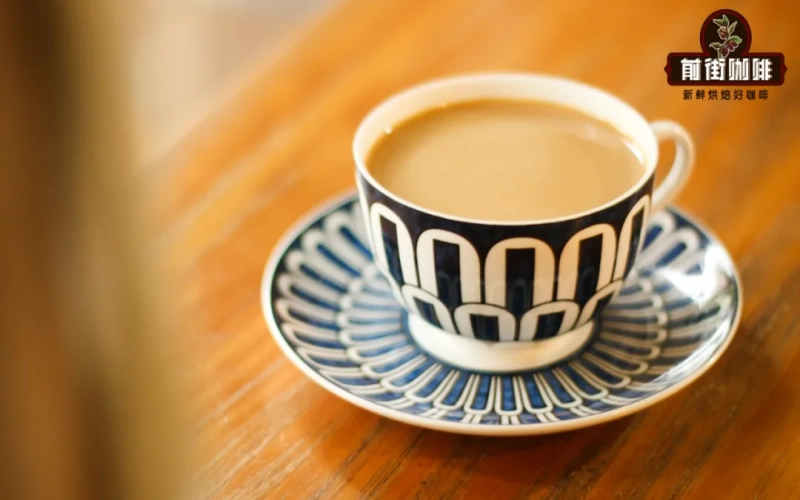
Can Pour-Over Coffee Also Make Milk Coffee? A Complete Guide to Pairing a High-Extraction Pour-Over Base with Milk
When it comes to combining pour-over coffee with milk, most people think of café au lait, but café au lait has a relatively low coffee concentration, and its flavor is easily diluted once milk is added, making it clearly different from an espresso-based latte. Front Street Coffee recently noticed a shop-visit video by a well-known Korean coffee blogger, in which a champion barista used a pour-over method to make a milk coffee with excellent flavor and mouthfeel. This article will focus on the extraction logic of espresso and share how to obtain a very high-concentration pour-over coffee as a base by adjusting the coffee-to-water ratio, grind size, water temperature, and stirring technique, then add milk in an appropriate ratio to create a drink that comes infinitely close to a latte. It will also recommend medium-dark roasted beans suitable for pairing with milk and specific Front Street Coffee products, and include complete brewing parameters and operating steps. [more…]
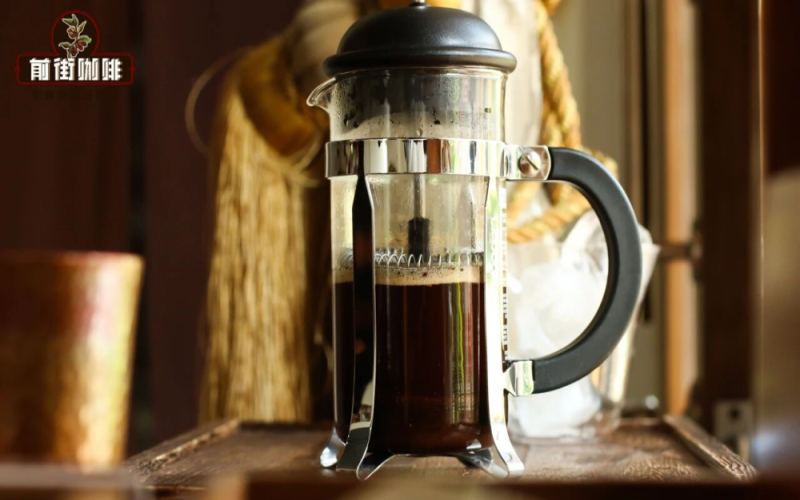
The Extraction Differences Between French Press and Pour-Over Coffee: A Comprehensive Comparison from Grind Size to Flavor and Mouthfeel
The French press and pour-over coffee are two completely different extraction methods: the former relies on immersion, while the latter depends on drip filtration. From the perspective of Front Street, this article systematically sorts out the operating principles, taste characteristics, parameter control, and suitable scenarios of the two. The French press is easy to operate and stable in extraction, with a balanced and full-bodied flavor; pour-over, on the other hand, has distinct layers and high playability, and can precisely showcase the personality of the coffee beans. The article also introduces in detail the equipment needed for pour-over, suggestions for matching grind size and water temperature, as well as several coffee beans recommended by Front Street that suit different taste preferences, helping coffee enthusiasts find the brewing method that best suits them. [more…]
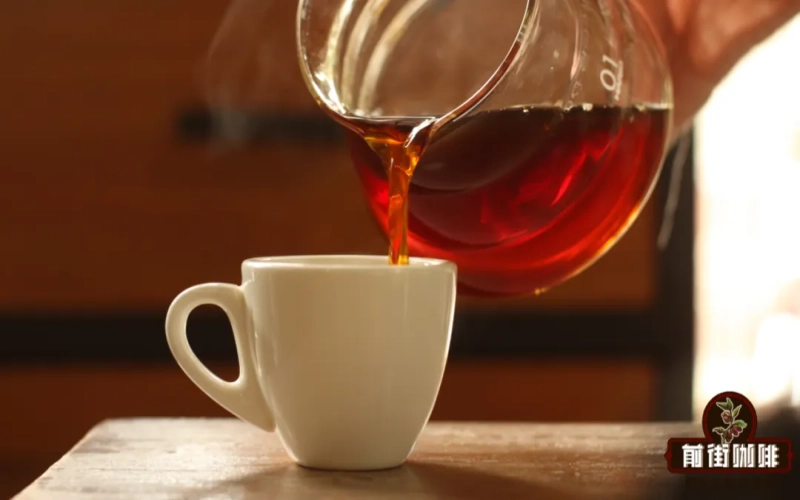
What's the difference between hot pour-over and iced pour-over? A detailed comparison from parameters and extraction yield to flavor performance.
Should pour-over coffee be enjoyed hot or iced? Many people hesitate when ordering. Front Street uses a set of side-by-side comparison experiments, from brewing parameters, coffee-to-water ratio, and grind size adjustments to the final extraction yield and flavor performance, to visually demonstrate the core differences between hot pour-over and iced pour-over. The article also explains why iced pour-over requires less water and a finer grind, as well as the logic behind coffee shops charging extra for iced pour-over. If you also want to understand the relationship between flavor completeness and temperature, this comparison will give you a clear answer. [more…]
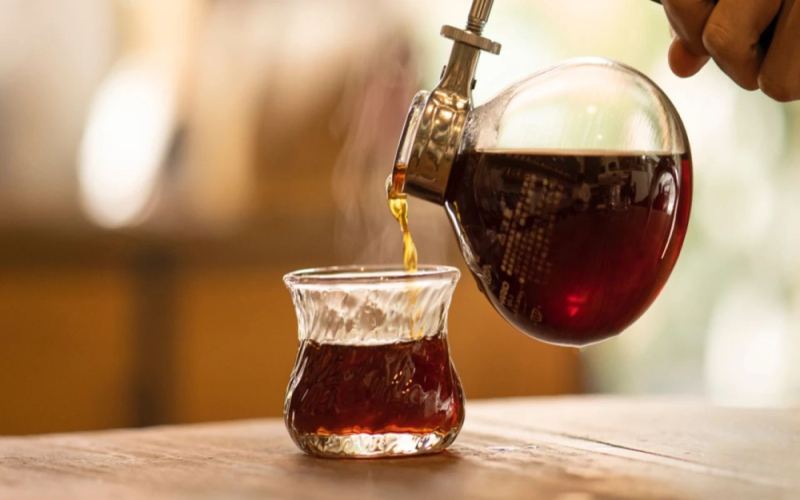
Siphon vs. Pour-Over Coffee: How Extraction Principles and Filtration Methods Affect Flavor and Taste
Siphon coffee and pour-over coffee are both classic methods for brewing single-origin coffee, yet they deliver strikingly different results in body and flavor. Pour-over is known for its clean, bright, and well-layered cup, while the siphon excels in rich, full-bodied depth and intense aroma. The root of this difference lies in the combined effect of the extraction method and the filtration system: the siphon uses a constant-temperature immersion extraction, combined with a flannel cloth filter that retains oils and fine particles, resulting in a heavier, more substantial brew; pour-over, on the other hand, relies on a drip method with a continuous supply of fresh hot water and uses high-density paper filters to trap impurities, producing an exceptionally clean cup. This article will analyze in depth, from the two dimensions of extraction principle and filtration method, why these two brewing methods bring such different taste experiences, and will include Front Street Coffee's bean selection recommendations to help coffee enthusiasts better understand and choose the brewing method that suits them. [more…]
In-Depth Comparison of Pour-Over and Espresso: A Comprehensive Analysis from Bean Selection and Extraction Methods to Caffeine Content
Coffee is becoming part of the daily routine for more and more people in China, and pour-over and espresso are the two most representative brewing directions. The two differ significantly in bean selection, preparation methods, and the final flavor profile. Pour-over usually uses single-origin beans and relies on gentle extraction at normal pressure, which better showcases the authentic flavor profile of the origin; espresso, on the other hand, relies on blended beans and a high-pressure environment of 9 atmospheres to produce a rich, full-bodied concentrate, which is the base for milk coffee drinks such as lattes and Americanos. In addition, the two also differ in caffeine content, grind size, and brewing time. This article will compare these differences one by one and include the specific preparation steps for Front Street Coffee's espresso and pour-over coffee for coffee enthusiasts' reference. [more…]
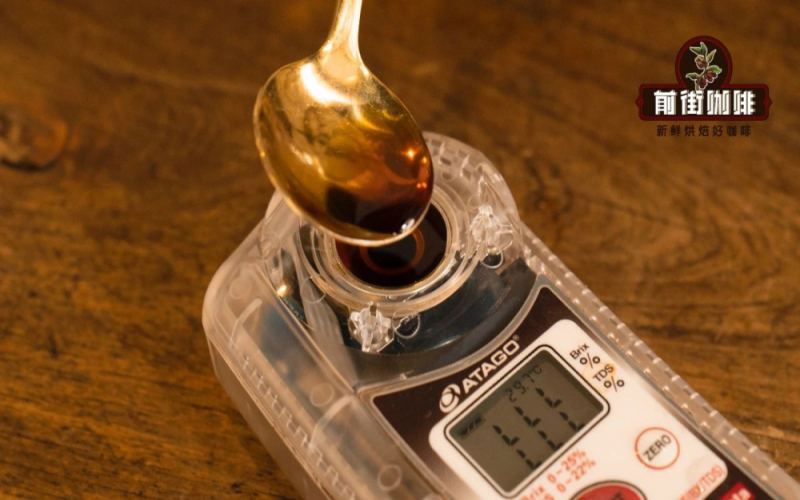
Analysis of the SCA Golden Cup Extraction Standard: The Calculation Logic and Practical Demonstration of Pour-Over Coffee Concentration and Extraction Yield
The Golden Cup extraction system is a quality reference framework widely recognized in the global coffee industry, and its core lies in controlling the concentration and extraction yield of the coffee liquid within a specific range. Compiled by FrontStreet Coffee, this article systematically reviews the origins of the Golden Cup standard and the differences in national standards, explains in detail the formulas for extraction yield and concentration, and uses a VST refractometer and a brewing example with Ethiopia Huakui 4.0 to demonstrate how to measure concentration and calculate extraction yield. At the same time, the article also discusses the influence of the pour-over coffee grounds-to-water ratio on flavor, gives a recommended ratio of 1:15 suitable for most bean varieties, and helps coffee enthusiasts build a quantifiable approach to brewing adjustments. [more…]
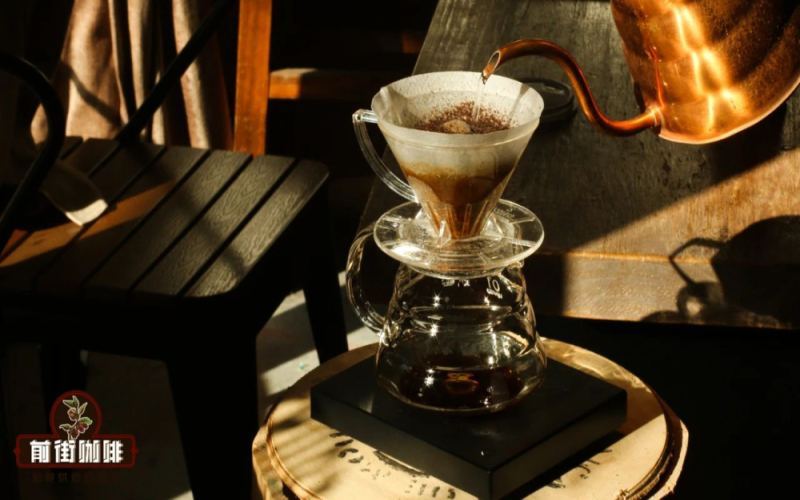
A Beginner's Guide to Pour-Over Coffee at Home: Complete Steps and Practical Tips from Water Quality and Beans to Pouring Technique
Making a delicious pour-over coffee at home doesn't have to be complicated. Through daily conversations with customers, Front Street Coffee has found that many people's brewing techniques are inconsistent because they don't truly understand the principles of pour-over extraction, resulting in sometimes over-extraction and sometimes under-extraction. This article focuses on the core knowledge of pour-over coffee, offering specific advice on water quality selection, coffee bean freshness, equipment and dripper pairing, grind size, water temperature, blooming techniques, and pouring methods. It also uses staged extraction as an example, providing actionable brewing parameters and steps to help beginners establish a stable brewing framework. Beyond theory, the most important thing is still repeated practice—only through hands-on experience can you truly master the rhythm and details of pour-over, bringing each cup closer to the ideal flavor. [more…]

Pour-Over Coffee Beginner's Guide: From Water Quality to Pouring Technique, Mastering the Key Points of Consistent Extraction
Friends who are just getting into pour-over coffee often feel that it is something of a mystery, but in fact, as long as you understand the principles of extraction, many confusions can be easily resolved. In daily conversations with customers, Front Street Coffee has found that most people brew inconsistently because they do not understand the logic behind pour-over. This article sorts out the core knowledge of pour-over coffee one by one, from water quality selection, coffee bean freshness, equipment and dripper pairing, grind size, water temperature control, blooming techniques, to pouring methods, and uses V60 staged extraction as an example to give specific parameters and operating steps, helping beginners build a systematic brewing framework and gradually improve consistency through repeated practice. [more…]
Pour-Over vs. Espresso Coffee Comparison | What are the differences between espresso and pour-over coffee in terms of coffee bean preparation methods, coffee extraction principles, and coffee-to-water ratio parameters?
Coffee is winning over more and more people in China, even starting to rival fast-drink tea beverages like milk tea, though the consumer groups for each are quite different. When it comes to coffee, pour-over coffee and espresso are a must-mention, and pour-over coffee relies most of all on single-origin beans. The unadorned beauty of pour-over coffee is not brash, [more…]
The Complete Guide to Pour-Over vs. Espresso: From Bean Selection and Extraction Methods to Cold Drip and Cold Brew
What exactly is the difference between pour-over coffee and espresso? This article compares them across three dimensions—coffee bean selection, brewing method, and caffeine content—and takes a deep dive into the specific workflows of espresso and pour-over coffee, including the extraction parameters and equipment setup used at Front Street Coffee's shops. It also introduces the characteristics and differences between two cold-extraction methods: ice drip coffee and cold brew coffee. Whether you're a beginner just getting into coffee or an enthusiast hoping to refine your brewing skills, you'll find practical reference information here and gain a feel for how different extraction methods change the flavor. [more…]

A Beginner's Guide to Pour-Over Single-Origin Coffee: A Detailed Explanation of Rwandan Coffee Grounds-to-Water Ratio and Three-Pour Brewing Techniques
To brew a clean-tasting pour-over coffee at home, mastering the coffee-to-water ratio and pouring technique is key. Using Front Street Coffee's Rwandan washed beans as an example, this article systematically explains the English expressions, definition, and seven key elements of pour-over coffee—from bean freshness, grind size standards, water temperature selection, water quality requirements, and dripper selection, to the scientific control of coffee-to-water ratio and brewing time. The article also breaks down in detail the complete process of the three-pour method, including the principles and key points of the blooming phase, helping coffee enthusiasts build a standardized, easy-to-follow brewing framework and effortlessly reproduce the bright acidity and tea-like finish reminiscent of apple, smoked plum, and citrus. [more…]
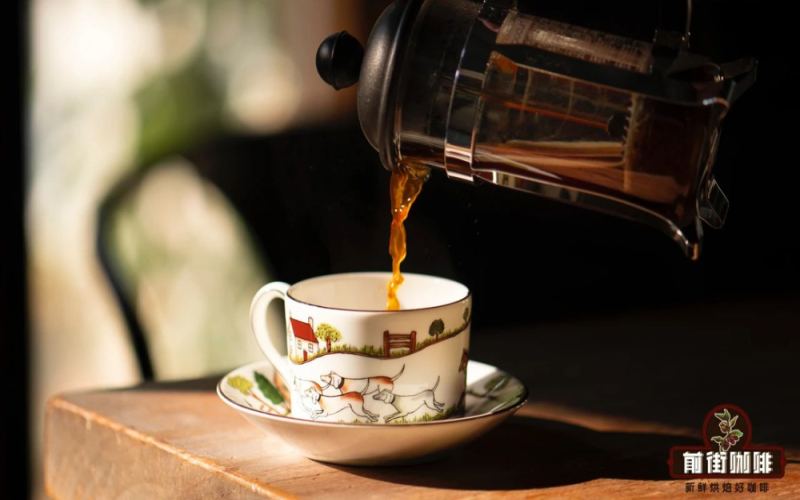
Comprehensive Comparison of French Press and Pour-Over Coffee: Extraction Principles, Flavor and Mouthfeel, and Equipment Operation Differences Explained in Detail
What exactly is the difference between a French press and pour-over coffee, and which one suits you better? From the perspective of Front Street, this article systematically sorts out the core differences between these two brewing methods. The French press is an immersion-style extraction, simple to operate, with a rich and balanced taste; pour-over is classified as a drip-filter extraction, with distinct layers and greater room for experimentation. The article lists in detail the equipment needed for pour-over, including a grinder, thermometer, dripper, and gooseneck kettle, and gives the specific parameters recommended by Front Street; it also breaks down the four major factors affecting the French press—coffee-to-water ratio, grind size, water temperature, and steeping time. Whether you prefer rich layers or pursue simplicity and efficiency, you can find the answer that suits you. [more…]